ELIZA (program) — originally by Joseph Weizenbaum, MIT (not a commercial vendor)
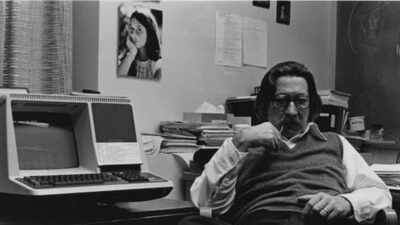
ELIZA is an early natural language processing computer program created in 1966 by Joseph Weizenbaum at the MIT Artificial Intelligence Laboratory. ELIZA used simple pattern matching and substitution rules to simulate conversation; its most famous script, DOCTOR, emulated a Rogerian psychotherapist by rephrasing user statements as questions. ELIZA is an academic/historical software artifact rather than a commercial product, and it spawned many independent ports, adaptations, and reimplementations across platforms (including utilities named eliza.exe on various systems).
Because ELIZA is not a company, there is no official vendor site or corporate presence. The original program and its cultural and technical significance are documented in academic papers, retrospectives, and repository ports maintained by third parties. Joseph Weizenbaum later became an outspoken critic of certain uses of AI and computing, and the ELIZA project is often cited in discussions about human-computer interact...
Statistics
Total Applications:
1
Total Users:
24
Total Keys:
20,570
Total Clicks:
70,006
Total Mouse Scrolls:
0
Total Time Used:
3d7h17m26s
Average Time Per User:
3h18m14s
Input Distribution
| Rank | Application | Used By | Time Used | Keys | Clicks |
|---|---|---|---|---|---|
|
|
|
|
|
|
|
|
|
|
|
|
|
|
|
|
|
|
|
|
|
|
|
|
|
|
|
|
|
|
|
|
|
|
|
|
|
|
|
|
|
|
|
|
|
|
|
|
|
|
|
|
|
|
|
|
|
|
|
|
|
|
|
|
|
|
|
|
|
|